Watercolor Thanksgiving Day: A Designer's Review
As a designer who has spent years translating digital art into tangible thread, I approach every new machine embroidery design with a mix of excitement and skepticism. The market is flooded with generic patterns, so finding a piece that truly captures a mood while remaining technically sound is rare. When I first opened the file for Watercolor Thanksgiving Day, I was immediately struck by its potential to elevate standard holiday decor into something more artistic and boutique-worthy. This review breaks down how this specific Illustrations category asset performs in real-world scenarios, moving beyond the screen to the hoop.
The Artistic Vibe and First Impressions
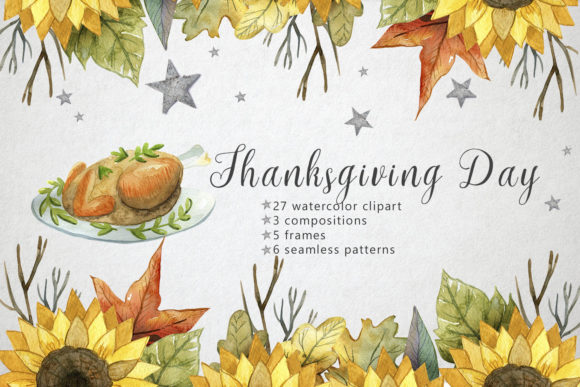
The defining characteristic of Watercolor Thanksgiving Day is its soft, blended aesthetic. Unlike traditional blocky clipart or rigid vector shapes often found in seasonal collections, this design mimics the fluidity of wet-on-wet painting. The visual personality suggests warmth, nostalgia, and a modern farmhouse charm that resonates deeply with current craft trends. For an Etsy seller or a small shop owner, this kind of visual language signals quality. It tells the customer that the finished product is not just a mass-produced item but a thoughtful creation.
However, translating watercolor effects into thread requires careful consideration. The design relies heavily on gradients and overlapping colors to achieve that "painterly" look. In a digital preview, it looks seamless. In reality, the success depends entirely on how well the stitch density manages these transitions. If the density is too low, the effect becomes patchy; if it is too high, the fabric may pucker, ruining the soft illusion. As I prepared my test run, I noted that the color palette is vibrant yet earthy, perfect for autumnal themes without feeling garish.
Testing the Design on Custom Apparel
To see how Watercolor Thanksgiving Day holds up under pressure, I decided to stitch it onto a heavyweight cotton sweatshirt. This is a staple for custom apparel businesses, especially during the holiday rush. The goal was to create a limited-edition item for a local boutique client who wanted something distinct from the typical turkey motifs.
I loaded the embroidery file into my machine, ensuring I had selected a stabilizer appropriate for the knit fabric. The result was promising. The softer edges of the watercolor style worked beautifully against the textured surface of the sweatshirt, adding depth rather than fighting against it. The fill stitch areas captured the gradient nuances well, provided I used high-quality polyester threads that reflect light subtly. On a sweatshirt embroidery project, this design feels premium. It transforms a basic garment into a conversation starter, likely increasing the perceived value and allowing for a higher price point.
For those considering this for personalized gifts, such as family matching sets or commemorative items, the design offers a gentle elegance. It avoids the clutter of over-stitched details, making it suitable for baby embroidery on onesies or blankets where comfort and softness are paramount. The lack of sharp, jagged lines ensures the back of the garment remains relatively smooth, which is crucial for wearability.
Best Use Cases for Small Business Merchandise
While the sweatshirt test was successful, the versatility of Watercolor Thanksgiving Day extends far beyond clothing. I envision this design thriving on home goods, particularly kitchen linens and decor. Imagine this pattern stitched onto a linen tote bag design or a set of flour sack towels. The watercolor theme complements the natural texture of linen, creating a cohesive, rustic look that sells well at craft fairs and online markets.
For digital product sellers offering mockups, this design serves as an excellent asset. A clean printable mockup featuring this artwork can attract buyers looking for unique branding elements. Furthermore, the design works exceptionally well as an embroidered patch. By stitching it onto felt and adding a heat-activated backing, you can create versatile patches that customers can iron onto denim jackets, hats, or backpacks. This adds a layer of interactivity to your craft business, allowing customers to customize their own items.
In the realm of commercial embroidery, this design fits perfectly into boutique branding. Hotels, bed-and-breakfasts, and event planners often seek unique holiday touches for their staff uniforms or guest amenities. A pillow cover or apron featuring Watercolor Thanksgiving Day conveys a sense of care and attention to detail that generic logos cannot match.
Where Caution Is Required
Despite its strengths, Watercolor Thanksgiving Day is not a one-size-fits-all solution. There are specific scenarios where this design might struggle, and understanding these limitations is key to maintaining professional standards.
- Small Hoop Sizes: The intricate blending of colors means that shrinking the design significantly can cause the watercolor effect to disappear. If you attempt to fit this into a tiny 4x4 inch hoop, the running stitch outlines may become muddy, and the color transitions will lose their definition.
- Textured and Stretchy Fabrics: While it worked well on the sweatshirt, highly textured fabrics like heavy cable knits or extremely stretchy lycra blends can distort the delicate lines of the illustration. Always use a tear-away or cut-away stabilizer to maintain shape integrity.
- Dark Fabric Backgrounds: Watercolor designs often rely on white or light base layers to show the transparency of the paint. Stitching this directly onto black or navy fabric without a dense underlay might make the colors appear dull or washed out. You may need to adjust the thread colors or add a white satin stitch border to frame the image effectively.
- Frequent Washing: For items like dish towels or baby clothes that undergo frequent washing, the high stitch density required for the fill areas could potentially lead to puckering over time. Test wash a sample before committing to a large production run.
Practical Notes for Professional Execution
Before integrating Watercolor Thanksgiving Day into your workflow, there are several practical steps every experienced designer should take. First, always test the design on scrap fabric that matches your final material. This allows you to check for tension issues and ensure the stitch density is balanced. Second, review the thread color sequence. Sometimes, swapping a dark thread for a lighter one in the middle of a gradient can improve the overall flow.
Additionally, inspect the small details closely. Does the digital embroidery file have any loose threads or unconnected segments? Clean up the digitization if necessary to prevent tangling during the stitching process. Finally, confirm the licensing terms. Whether you are selling the finished product or using the design for client work, ensure you have the right to do so commercially. Never assume a personal license covers small shop product sales.
In conclusion, Watercolor Thanksgiving Day is a sophisticated addition to any design assets library. It bridges the gap between traditional holiday cheer and modern artistic expression. With proper preparation and an understanding of its technical requirements, this embroidery project can yield beautiful results that delight customers and enhance your brand's reputation for quality craftsmanship.