Watercolor Cosy Winter: A Designer Review
As a designer who has spent years translating digital art into tangible thread, I approach every new machine embroidery design with a mix of excitement and skepticism. The gap between a beautiful screen image and a flawless stitched finish can be wide. When I first opened the file for Watercolor Cosy Winter, my immediate goal was to determine if this illustration could survive the transition from pixel to fabric without losing its soul. This review is not about technical specifications, which you should always verify on your own machine settings, but rather about the practical application of this design in real-world projects for your craft business or personal portfolio.
The First Impression: Mood and Visual Weight
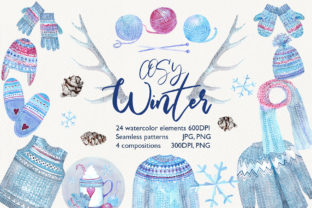
Watercolor Cosy Winter arrives as part of the Illustrations category, promising a soft, artistic aesthetic that feels distinct from the rigid, geometric patterns often found in standard libraries. At first glance, the design exudes a gentle warmth. It captures the essence of a quiet winter day through what appears to be blended tones and organic shapes. For an Etsy seller or boutique owner looking to elevate their holiday collection, this visual personality is exactly what separates a generic item from a curated handmade product.
The layout suggests a composition that breathes. Unlike dense, heavy motifs that can weigh down a garment, this design seems to rely on negative space and fluid lines. This is crucial for custom apparel. If you are planning to use this on a sweatshirt embroidery project, the airy nature of the illustration means it won't create a stiff patch on the chest. Instead, it will likely drape naturally with the fabric, maintaining comfort while adding significant visual appeal.
Testing the Waters: Real-World Application Scenarios
To truly understand the value of Watercolor Cosy Winter, I visualized several specific scenarios where this design would shine. Imagine preparing a custom embroidered tote bag for a local craft fair. The canvas texture of a tote bag pairs beautifully with watercolor-style imagery because the slight irregularity of the fabric mimics the paper grain of a painting. Here, the design acts as a statement piece, turning a simple utility bag into a desirable fashion accessory.
Consider also the realm of baby embroidery. Parents often seek soft, non-threatening themes for nursery decor or personalized gifts. A blanket or pillow cover featuring this design would offer a calming presence. The color palette implied by the title suggests muted blues, soft whites, and perhaps touches of warm beige—colors that translate well into thread colors without needing overly bright neon variances. This makes it an excellent choice for high-end baby items where subtlety signals quality.
For the small shop product line, think about holiday embroidery. While many designs lean heavily into red and green clichés, Watercolor Cosy Winter offers a sophisticated alternative. It fits perfectly on aprons for home cooks, tea towels for the kitchen, or even as an embroidered patch on denim jackets. In these contexts, the design elevates the perceived value of the finished product, allowing you to charge a premium for something that looks hand-painted rather than mass-produced.
Navigating Challenges: Where Caution is Needed
Despite its potential, no design is universally perfect for every situation. As a professional reviewer, I must point out where Watercolor Cosy Winter requires careful handling. Watercolor effects in embroidery often rely on low stitch density and running stitch techniques to mimic paint washes. This approach can be tricky on textured fabrics like fleece or thick wool. The uneven surface might disrupt the delicate flow of the stitches, causing the "paint" effect to look muddy rather than blended.
Furthermore, if you intend to use this design on dark fabric, you must consider the backing. Lighter watercolor tones may struggle to pop against a black background without a substantial underlay or a tonal shift in the thread colors. Always test the design on scrap fabric first. Check how the thread colors interact with the specific material you plan to sell. On stretchy fabrics, such as jersey knits for t-shirts, ensure you use the correct stabilizer to prevent the delicate details from puckering or distorting during the stitching process.
Another critical area is the hoop size. While the design looks expansive, intricate corners or tiny lettering (if included in your specific version) can get lost if you scale the design down too much. Do not force a large, detailed illustration into a 4x4 inch hoop unless you have verified that the smallest elements remain visible. Clarity is key to customer trust; a blurry, indistinct stitch job will hurt your brand consistency.
Practical Notes for the Commercial Designer
If you are a creative entrepreneur planning to sell items made with this digital embroidery file, there are several practical steps to take before listing your products. First, confirm the licensing terms. Ensure you have the right to sell finished goods or digital files containing Watercolor Cosy Winter. Many designers restrict commercial use, and violating these terms can lead to serious issues for your business.
Second, create printable mockups. Before committing to expensive thread and fabric, generate a black and white mockup to see how the contrast holds up. Then, compare light and dark fabric backgrounds digitally to predict the final look. This saves time and materials. Third, review the stitch density. If the file allows, adjust the density slightly based on your thread type. High-quality polyester threads may require different tension settings than rayon to achieve that soft, watercolor look.
Finally, remember that the success of any embroidery project lies in the preparation. Use proper stabilizer, whether it is cut-away for stretchy items or tear-away for stable cottons. Inspect small details after the first test run. Does the fill stitch cover evenly? Are the satin stitch edges smooth? These nuances define the difference between a hobbyist attempt and a professional-grade handmade product.
Final Verdict on Design Assets
In conclusion, Watercolor Cosy Winter is a versatile asset for the modern maker. It brings a touch of artistic elegance to the world of machine embroidery, bridging the gap between digital art and textile craft. Whether you are decorating a personalized gift, launching a new line of custom apparel, or creating unique boutique merchandise, this design offers a fresh perspective on seasonal themes.
It is not just another pattern; it is a tool for storytelling. By understanding its strengths and limitations, you can ensure that every stitch counts. For the Etsy seller, the craft business owner, or the passionate hobbyist, this design represents an opportunity to create items that customers will love not just for their function, but for their beauty. Just remember to test thoroughly, respect the fabric, and let the thread do the talking. Your finished product will thank you.