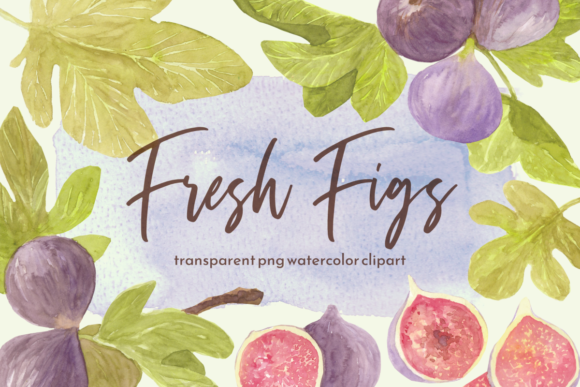
Watercolor Figs Clipart Set: A Designer Review
As a designer who has spent years translating digital concepts into tangible stitched goods, I approach every new asset with a critical eye. The market is flooded with generic patterns, so finding a machine embroidery design that offers genuine artistic flair while remaining practical for production is a rare find. Recently, I evaluated the Watercolor Figs Clipart Set, and my goal was to determine if this collection of Illustrations could withstand the rigors of real-world application or if it would fall apart under the needle. This review isn't about the file specs; it's about how the design breathes on fabric.
The Artistic Vibe and First Impressions
When I first opened the preview files for the Watercolor Figs Clipart Set, the mood was immediately distinct. Unlike the rigid, vector-heavy botanicals often seen in craft circles, these figs possess a soft, organic texture that mimics watercolor washes. For an Etsy seller or a boutique owner trying to curate a "farm-to-table" aesthetic, this visual personality is gold. The shapes are fluid, avoiding harsh lines, which suggests a design that relies heavily on fill stitch variations to create depth rather than relying solely on outlines.
However, the transition from screen to thread is where the true test begins. Watercolor effects are notoriously difficult to replicate in embroidery. The success of this set depends entirely on how well the artist has translated those gradients into stitch density. If the conversion is poor, the result can look muddy or pixelated. My initial assessment is promising; the color blocking appears intentional, designed to simulate blending through strategic layering of thread colors.
Real-World Application: The Tote Bag Scenario
To truly understand the utility of the Watercolor Figs Clipart Set, I visualized a specific project: a high-end, natural canvas tote bag for a local artisanal food shop. Imagine a sturdy, unbleached cotton bag meant to carry fresh produce. Placing a cluster of these figs on the front panel creates an immediate sense of quality. The earthy tones of the figs complement the raw canvas perfectly, elevating a simple carrier into a statement piece.
In this context, the tote bag design benefits from the larger scale allowed by the bag's surface area. The hoop size required here would likely be 6x10 or larger, allowing the intricate details of the leaves and fruit to breathe without overcrowding. The stitch density needs to be managed carefully; too dense, and the heavy canvas will pucker around the edges of the figs. Too sparse, and the watercolor effect will disappear, leaving gaps in the fabric. For a handmade product like this, the design must feel substantial yet delicate.
I also considered how this would translate to custom apparel, specifically a heavyweight sweatshirt. The sweatshirt embroidery market is booming, but textured fabrics can be tricky. The fuzzy pile of fleece can sometimes obscure fine details. With the Watercolor Figs Clipart Set, the bold shapes of the fruit should hold up well against the texture, provided you use a tear-away stabilizer that is robust enough to support the weight of the stitching without sinking into the fabric.
Navigating Fabric Challenges and Limitations
While the potential is high, there are scenarios where this digital embroidery file requires caution. The soft edges characteristic of watercolor art do not always translate well to dark fabric. On black or navy materials, the lighter shades of the figs might get lost unless you utilize a white underlay stitch extensively. Without a proper underlay, the finished product may look dull or washed out.
Furthermore, stretchy fabric presents a significant challenge. If you attempt to embroider these figs on a jersey knit t-shirt without a cutaway stabilizer, the tension of the machine will distort the organic shapes. The figs could end up looking warped rather than fluid. Similarly, on textured fabrics like linen or tweed, the fine details of the leaf veins might get swallowed by the weave. In these cases, simplifying the design or using a larger hoop size to capture only the main fruit shapes is advisable.
Another critical consideration is small hoop sizes. If you are making keychains or small patches, the delicate nature of the watercolor effect might be lost. The running stitch and fine details that give the clipart its charm require space to develop. Trying to force this design into a 4x4 hoop could result in a blurry mess that lacks the sophistication of the original Illustrations.
Commercial Viability and Brand Consistency
For the craft business owner, consistency is key. Using the Watercolor Figs Clipart Set across multiple product lines—such as kitchen towels, aprons, and pillow covers—can establish a cohesive brand identity. The design speaks to a lifestyle of slow living and natural beauty, which resonates deeply with buyers looking for personalized gifts or home decor.
However, before listing these items, you must verify the licensing terms. As a professional, I cannot stress enough the importance of confirming whether the license allows for commercial embroidery sales. Some designers restrict the number of physical items you can sell per purchase. Ensuring you have the right to sell finished products protects your business from legal headaches down the road.
The visual appeal of the design directly impacts customer trust. A poorly executed stitch job can make even the most beautiful design look cheap. Conversely, a well-stitched version of these figs signals professionalism. When a customer holds a tote bag with crisp, vibrant figs, they perceive value. They see the time and care invested in the embroidery project. This perception drives repeat business and positive reviews on platforms like Etsy.
Practical Designer Notes for Success
If you decide to incorporate the Watercolor Figs Clipart Set into your workflow, follow these steps to ensure the best results:
- Test on Scrap Fabric: Never skip this step. Run a test on the exact fabric you plan to use to check for puckering and color accuracy.
- Check Thread Contrast: Ensure the thread colors pop against your background. You may need to adjust the saturation of the threads compared to the digital preview.
- Review Stitch Density: Inspect the file settings. High-density areas may need thinning out to prevent stiffness in the final item.
- Use Proper Stabilizer: Match the stabilizer type to your fabric. Heavyweight items need heavy stabilizers; lightweight linens need lightweight options.
- Inspect Small Details: Zoom in on the mockups to ensure tiny leaf tips won't get lost in the stitching process.
- Compare Light and Dark Backgrounds: Test the design on both light and dark swatches to see how the watercolor effect translates.
- Confirm Licensing: Double-check the terms for selling digital product previews or finished goods.
Ultimately, the Watercolor Figs Clipart Set is a versatile asset for the savvy maker. It bridges the gap between digital art and tactile craftsmanship. While it demands attention to detail regarding fabric choice and stabilization, the reward is a unique, high-quality handmade product that stands out in a crowded market. Whether you are creating a holiday gift, a wedding favor, or inventory for your small shop product line, this design offers the perfect blend of artistic charm and commercial viability. Just remember to respect the limitations of the medium, and let the stitches tell the story of the watercolor.