Greenery Clipart Watercolor Leaf: A Designer Review
As a designer who has spent years translating digital concepts into tangible stitched goods, I approach every new asset with a critical eye. When I first opened the file for Greenery Clipart Watercolor Leaf, my immediate reaction was one of cautious optimism. The aesthetic is undeniably charming, capturing that soft, organic vibe that defines so much of modern home decor and boutique apparel. However, the transition from a pretty illustration to a functional machine embroidery design is where the real work begins. This review isn't just about whether the image looks good on a screen; it is about how this specific embroidery file performs when you pull the hoop off the machine and inspect the finished product under harsh shop lighting.
The First Impression: Mood and Visual Personality
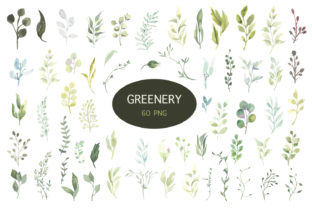
The Greenery Clipart Watercolor Leaf belongs firmly in the category of Illustrations that rely on softness and flow rather than rigid geometry. Visually, it evokes a sense of calm and nature, making it an instant favorite for spring collections or eco-friendly branding. The watercolor effect suggests gradients and blended edges, which are notoriously difficult to replicate in thread. In a standard digital embroidery file, achieving that "watercolor" look usually requires clever layering of fill stitch and perhaps some strategic use of satin stitch borders to define the leaf shape without boxing it in.
For a small business owner or an Etsy seller, the mood this design sets is crucial. It feels handmade, even if it is machine-stitched. This makes it a powerful asset for creating personalized gifts or high-end nursery decor. The visual personality is gentle and approachable, avoiding the aggressive boldness of industrial logos. Instead, it whispers quality and care, which is exactly what customers looking for handmade products want to feel before they click "buy."
Real-World Application: From File to Fabric
Let's talk about a real scenario. Imagine you are preparing a custom embroidered tote bag for a local botanical garden event. You need something that says "nature" but doesn't look like a generic clipart sticker. Using Greenery Clipart Watercolor Leaf here could be a game-changer. If the stitch density is well-managed, the leaf can sit beautifully on the canvas of a tote bag, adding texture without weighing the fabric down. Similarly, consider a sweatshirt embroidery project. Placing this design on the left chest of a heavy cotton crewneck creates a sophisticated, understated look that elevates a basic garment into a boutique item.
However, the application changes drastically depending on the substrate. For baby embroidery, such as a onesie or a receiving blanket, the soft edges of the watercolor style are perfect. They mimic the delicate nature of infant wear better than sharp, geometric patterns would. On the other hand, if you are making an embroidered patch, you need to ensure the design holds its integrity when cut out. The flowing lines of the leaf must remain distinct against the backing material. In a kitchen towel or apron, this design adds a touch of elegance that fits perfectly with current trends in home textiles.
Where Caution is Required
While the design is versatile, it is not without its challenges. The very feature that makes it beautiful—the soft, blended look—is also its biggest risk factor. On textured fabrics like linen or denim, fine details in the watercolor wash might get lost. The fabric texture can disrupt the smooth appearance of the fill stitch, making the leaf look muddy rather than artistic. Similarly, on stretchy fabrics like jersey knit, the tension required to hold the shape of the leaf can cause puckering if the hoop size is too small or the stabilizer is insufficient.
Dark fabrics present another hurdle. A watercolor effect relies heavily on light and shadow. Stitching this design in light greens onto a black background will likely result in a flat, undefined shape unless you use a significant amount of underlay or a white base layer. Furthermore, on curved surfaces like caps, the organic shape of the leaf may distort if the digitizing does not account for the curvature of the panel. Always test the design on scrap fabric first, especially if you plan to use it for commercial embroidery where consistency is non-negotiable.
Impact on Product Value and Brand Perception
When you sell a finished product, the quality of the design directly influences customer trust. A poorly executed version of Greenery Clipart Watercolor Leaf—one that looks pixelated or has loose threads—can make your entire brand seem amateurish. Conversely, a well-stitched version enhances the perceived value of the item. It signals that you pay attention to detail. For an Etsy seller or a small shop product line, using high-quality design assets like this helps differentiate your items from mass-produced goods.
The design also affects buyer engagement. Customers browsing online often zoom in to see the stitching quality. If your mockups show crisp, clear leaves with vibrant thread colors, they are more likely to purchase. The versatility of this design allows it to fit into various niches, from holiday gifts to wedding favors. Its natural theme appeals to a broad demographic, increasing the potential reach of your marketing efforts. However, remember that the final look depends entirely on your execution. A great design file is only as good as the settings used to stitch it.
Practical Notes for the Designer
Before committing to a large run of products, I strongly advise running a test on scrap fabric. Check the stitch density carefully; too dense, and the fabric pucks; too loose, and the watercolor effect disappears. Confirm your hoop size matches the design dimensions to avoid distortion. Inspect small details, particularly the tips of the leaves, to ensure they don't fray or look unfinished.
Consider testing the design in black and white mockups to evaluate contrast before investing in expensive thread. Compare how it looks on both light and dark fabric backgrounds to determine if you need to adjust the color palette. Use the proper stabilizer for your specific fabric type to ensure the design lays flat. Finally, always check the licensing terms. While this design may be suitable for personal projects, selling finished items or the digital embroidery file itself requires explicit permission. Do not assume commercial rights are included unless stated clearly.
In conclusion, Greenery Clipart Watercolor Leaf is a potent tool for any creative entrepreneur willing to put in the technical work. It offers a fresh, organic aesthetic that resonates with modern consumers. By understanding its strengths and limitations, you can transform this simple illustration into a standout feature of your next embroidery project.