Watercolor Apples Clip Art Set: A Designer Review
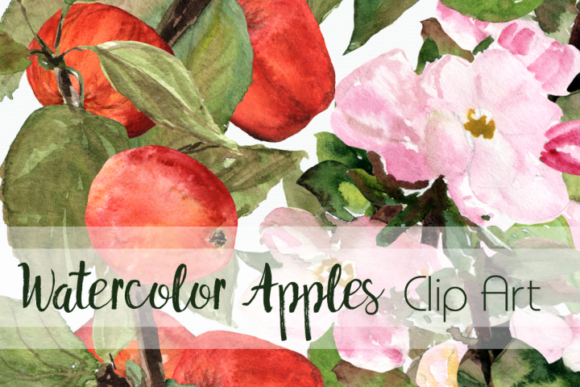
As a designer who has spent years translating digital files into tangible stitched goods, I approach every new asset with a critical eye. When I first opened the Watercolor Apples Clip Art Set, my immediate reaction was to appreciate its soft, organic aesthetic. Unlike rigid vector shapes that often look stiff when converted to thread, this set of Illustrations carries a natural fluidity. The mood is undeniably autumnal and cozy, evoking feelings of harvest markets, rustic kitchens, and family gatherings. However, before rushing to stitch this onto a client's order or listing it as a handmade product on Etsy, we need to dissect how these watercolor textures translate from screen to fabric.
The Challenge of Translating Watercolor Textures
The defining characteristic of the Watercolor Apples Clip Art Set is its gradient blending and soft edges. In the digital realm, these transitions are seamless. In the world of machine embroidery design, they present a unique challenge. Watercolor effects rely heavily on subtle shifts in color and tone, which typically require high stitch density and complex layering to replicate effectively. If you attempt to use a standard fill stitch without careful adjustment, the result can look muddy or pixelated rather than artistic.
I recently envisioned using this set for a line of custom tote bag designs. Imagine a sturdy canvas tote featuring a cluster of these apples. The potential is there for a beautiful, boutique-style item. However, the success hinges on how the embroidery file handles the color transitions. On a large hoop, where you have room to maneuver, you might achieve a decent approximation of the watercolor look using multi-layered fills. But if you try to shrink this down for a small patch or a cap, those delicate gradients will likely collapse into a solid block of color, losing the very charm that makes the Watercolor Apples Clip Art Set appealing in the first place.
Real-World Application: From Sweatshirts to Baby Items
Let’s talk about specific use cases. For custom apparel like sweatshirts, this design could be a winner if placed on the back or chest pocket area. The soft, rounded shapes of the apples complement the casual drape of fleece or cotton blends. I would recommend pairing this with a high-quality stabilizer to prevent puckering, especially since watercolor-style fills often require more stitches than simple outlines.
Conversely, consider the application on baby embroidery items. Soft fabrics like muslin or jersey are popular for onesies and bibs. Here, the Watercolor Apples Clip Art Set needs careful handling. The fill stitch required to mimic the watercolor effect might feel too heavy against a lightweight baby garment. In this scenario, I would suggest simplifying the design or using a lighter running stitch outline to capture the shape without overwhelming the fabric texture. Parents looking for a personalized gift want something that looks professional but feels gentle against their child's skin.
For the Etsy seller or small shop owner creating holiday merchandise, this set fits perfectly into fall and winter collections. Think of an apron for a cooking class, a kitchen towel, or a decorative pillow cover. These items benefit from larger hoop sizes, allowing the intricate details of the watercolor style to breathe. A customer buying a holiday-themed finished product expects a certain level of craftsmanship; if the stitching looks messy or the colors bleed together unintentionally, it damages your brand consistency and trust.
Critical Considerations for Fabric and Hoop Size
Not all surfaces are created equal. When working with the Watercolor Apples Clip Art Set, you must be cautious with textured fabrics. A linen blend or a slubbed cotton can interfere with the smooth flow of the stitches, making the watercolor effect look broken. Similarly, stretchy fabrics like spandex blends can distort the design during the stitching process, warping the organic shapes of the apples.
Hoop size is another non-negotiable factor. This design is not ideal for tiny hoops. If you force a detailed watercolor illustration into a 4x4 inch space, you risk losing definition. The stitch density might become so high that the fabric distorts, or the details simply vanish. Always check the recommended hoop size for the specific digital embroidery file you are using. If the source file does not specify, test it yourself. Do not assume a design scales down gracefully just because it looks good on your monitor.
Technical Execution and Designer Notes
Before committing to a production run, I always advocate for a test stitch on scrap fabric. This step is crucial for evaluating the thread colors and ensuring the contrast works on your chosen background. For dark fabrics, the light, airy nature of the watercolor apples might get lost unless you adjust the underlay or use a contrasting backing. Conversely, on white or cream fabrics, the pastel tones of the Watercolor Apples Clip Art Set should pop beautifully.
Reviewing the stitch density is also vital. High-density areas can cause tension issues, leading to thread breakage or fabric distortion. If you notice the machine struggling, reduce the density slightly or add pull compensation. Additionally, inspect the small details closely. Are the leaf veins clear? Is the stem distinct? Sometimes, in the rush to create a commercial embroidery project, these tiny elements get smoothed over by the software, resulting in a generic look.
Don't forget to test the design in black and white mockups. This helps you visualize the tonal values without the distraction of color. It reveals whether the composition holds up structurally. Also, compare how the design looks on both light and dark fabric backgrounds. A design that shines on white might disappear on navy blue without significant adjustments to the thread colors.
Licensing and Commercial Viability
For the creative entrepreneur, understanding the licensing terms is as important as the technical execution. Before selling finished products or offering this as a digital product preview, confirm that the license allows for commercial use. Many design assets come with restrictions on the number of items you can sell or whether you can resell the file itself. As a professional, you want to ensure your business is protected and compliant.
If you are creating a line of embroidered patches, the Watercolor Apples Clip Art Set offers a unique opportunity to stand out. Patches usually feature bold, solid colors, but a watercolor style patch could appeal to a niche market looking for something softer and more artistic. Just remember that the backing of the patch needs to support the heavier stitching required for the watercolor effect.
Final Thoughts on Design Value
Ultimately, the Watercolor Apples Clip Art Set is a versatile asset that, when used correctly, can elevate a craft business from amateur to professional. It brings a touch of whimsy and warmth that resonates well with customers seeking holiday gifts or home decor. However, it demands respect for the medium. It is not a "load and go" design; it requires thoughtful preparation, the right stabilizer, and an understanding of how thread interacts with fabric.
By taking the time to test, adjust, and refine, you ensure that the final finished product meets the high standards your customers expect. Whether you are decorating a single personalized gift or launching a full collection of commercial embroidery items, the key lies in balancing the artistic vision of the watercolor style with the practical realities of machine stitching. Use this set wisely, and it will become a staple in your portfolio of design assets for seasons to come.