Watercolor Happy Easter Illustrations Review
As a digital product creator who has spent years navigating the competitive landscapes of Etsy, Creative Fabrica, and Shopify, I know that the difference between a bestseller and a forgotten listing often comes down to the quality and versatility of the core assets. When I first opened the folder for Watercolor Happy Easter, my immediate goal was not just to admire the art, but to evaluate its potential as a commercial design asset. Does it hold up under scrutiny? Can it be adapted for print-on-demand, sublimation, or intricate Cricut projects? This review breaks down how this specific set of Illustrations performs in a real-world selling scenario.
First Impressions: Mood and Market Appeal
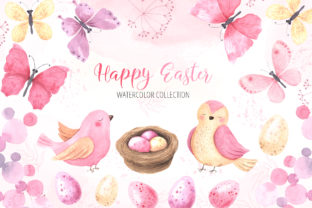
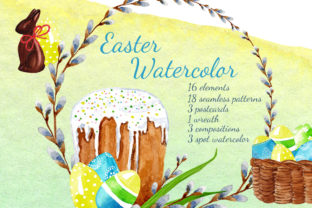
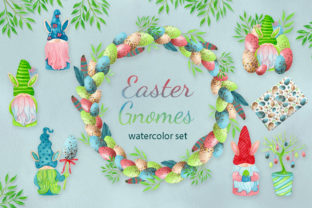
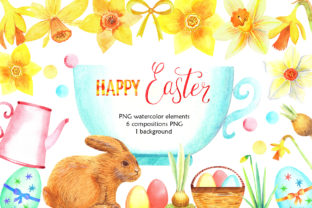
The moment you view the preview files for Watercolor Happy Easter, the aesthetic is unmistakable. It leans heavily into a soft, feminine, and handmade vibe. The watercolor texture provides a sense of organic imperfection that resonates deeply with buyers looking for rustic or shabby-chic decor. Unlike flat vector graphics which can feel sterile, these illustrations carry an emotional weight. They suggest warmth, nostalgia, and celebration.
For a small business owner targeting the seasonal market, this visual personality is crucial. The color palette, likely featuring pastel yellows, soft pinks, and gentle blues, appeals directly to parents creating nursery prints, crafters making greeting cards, and bloggers needing fresh social media graphics. However, it is important to note that while the style is charming, it may not fit a bold, modern, or minimalist brand identity. If your audience prefers high-contrast, geometric designs, this asset might feel too delicate. But for the vast majority of the spring and Easter niche, the mood strikes the right balance between playful and elegant.
Real-World Applications for Digital Sellers
The true test of any graphic design asset is its versatility across different product categories. Here is how I envision utilizing Watercolor Happy Easter across my own product lines:
- Printable Wall Art and Nursery Decor: The soft edges of the watercolor style make it perfect for large format prints. These illustrations work beautifully as standalone pieces or within a grid layout for a gallery wall.
- Sublimation and Print-on-Demand: For t-shirt designs, mug wraps, and tote bag prints, the transparency of the PNG files is key. The design translates well onto white fabrics and ceramics, though care must be taken with darker substrates.
- Cricut and Silhouette Projects: If the bundle includes SVGs, these are ideal for layered sticker designs, vinyl decals for tumblers, and scrapbooking kits. The organic shapes add a unique touch compared to standard clipart.
- Canva Templates and Invitations: These illustrations serve as excellent focal points for wedding invitations, party invites, or even blog headers. They elevate a simple template into a premium-looking digital download.
- Packaging and Branding: Small businesses selling physical goods can use these assets on thank-you cards, gift tags, and packaging sleeves to create a cohesive brand identity during the spring season.
Evaluating Product Presentation and Mockups
Before publishing a single listing, I always stress the importance of testing the asset in a realistic context. A pretty image in isolation does not guarantee sales; it needs to look good in a product mockup. When I placed the Watercolor Happy Easter elements onto a mockup of a ceramic mug and a linen tote bag, the results were promising. The soft colors did not overpower the product, allowing the item itself to shine while adding a festive touch.
However, visual hierarchy matters. In a crowded marketplace thumbnail, a busy background can ruin the appeal. I found that using these illustrations against a clean, off-white background worked best for Etsy product listings. The contrast ensures the design pops without looking cluttered. Furthermore, when bundling these with other seasonal items, such as a "Spring Planner Sticker Pack," the consistent watercolor style helps maintain perceived value and brand consistency. Customers trust sellers who present a cohesive collection, and these assets contribute significantly to that professional look.
Technical Considerations and Limitations
While the artistic merit is high, practical limitations exist that every seller must address. First, consider the resolution. For large format printing, such as banners or posters, you must verify the DPI of the provided files. If the images are low-resolution, they will appear pixelated, leading to negative reviews. Always check the file specifications before purchasing.
Secondly, be cautious with dark backgrounds. Watercolor textures rely on lightness and transparency. Placing these illustrations on black or navy blue surfaces can cause them to lose detail and blend into the background, resulting in a muddy appearance. Stick to light neutrals or white for the best results.
Another critical point involves cutting machines. If you plan to use the SVG versions for vinyl cutting, inspect the cut lines carefully. Complex watercolor splashes can sometimes result in tiny, uncuttable fragments or weak structural integrity when weeded. Test a small section on your machine before committing to a full batch of stickers or decals. Additionally, avoid using these assets in text-heavy templates where the intricate details might compete with the typography for attention.
Practical Seller Notes for Success
To maximize the return on investment for this digital product, follow these steps:
- Verify Licensing: Confirm the commercial license allows for the creation of sellable products like POD items and physical crafts. Never assume; read the terms.
- Test on Mockups: Create at least three different mockups (e.g., apparel, home decor, paper goods) to showcase versatility in your listing photos.
- Font Pairing: To complement the soft watercolor style, pair the illustrations with script fonts for a handwritten feel or clean sans-serif fonts for a modern twist. Avoid overly decorative display fonts that clash with the delicate nature of the art.
- File Organization: If you are reselling these as part of a larger bundle, organize the files clearly so customers can easily find the PNGs, SVGs, and JPEGs they need.
- Color Testing: If printing physically, run a test print to ensure the pastel shades come out vibrant and not washed out.
In conclusion, Watercolor Happy Easter is a robust addition to any creative entrepreneur's toolkit, provided it is used with intention. It excels in creating warm, inviting designs for the spring season but requires careful handling regarding resolution and background contrast. By testing these assets thoroughly and presenting them professionally, you can turn a simple illustration into a cornerstone of your seasonal product line.