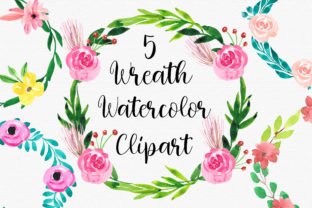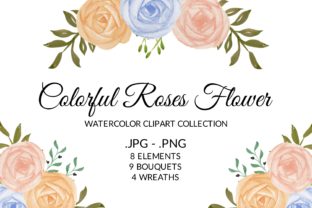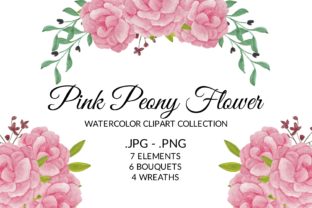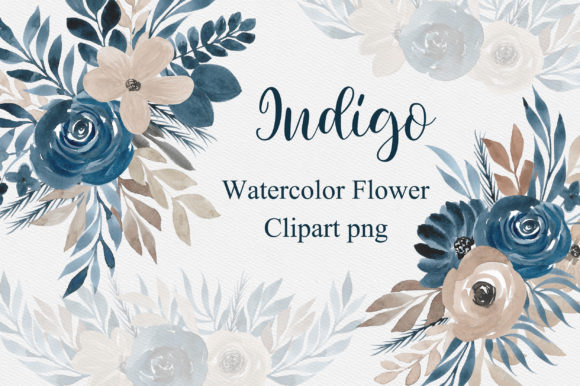
Watercolor Flower Clipart Elements & Illustrations
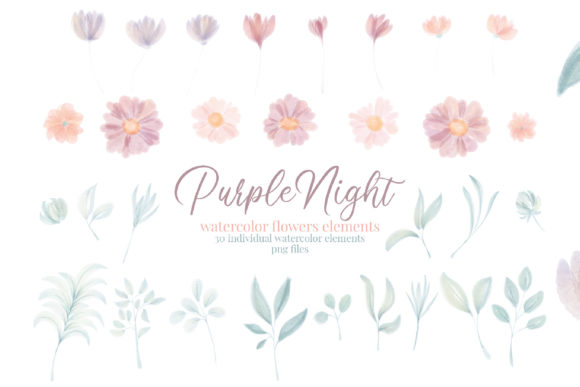
I recently opened a new brief for a small, handmade soap brand looking to refresh their packaging and social media presence. The client wanted something organic, soft, and trustworthy—nothing too corporate or rigid. That is when I pulled up the Watercolor Flower Clipart Elements pack to see if it could anchor the visual identity. As a designer who has sifted through countless assets on the creative marketplace, my first impression was immediate relief. These illustrations do not feel like generic stock photos; they possess a genuine, hand-painted texture that breathes life into digital layouts.
The mood these elements create is instantly recognizable: gentle, artisanal, and inviting. For a project requiring an emotional connection, such as a boutique product line or a seasonal campaign, these graphics provide the perfect foundation. Unlike vector shapes that can sometimes feel sterile, the watercolor style introduces subtle imperfections that signal "human-made" quality. This is crucial for small business branding where authenticity drives sales. When I dragged a few of the floral blooms onto a white background, the color gradients felt rich yet delicate, suggesting a high-quality printable design ready for commercial use.
Evaluating Versatility Across Real-World Projects
The true test of any graphic design asset is how it performs outside of a simple preview window. I began by placing these flowers into a mockup for product labels. The results were promising. Because the edges are soft and translucent, they blend beautifully with typography without creating a harsh visual barrier. This makes them excellent for packaging design where space is limited but impact is necessary. I also tested them as decorative accents in a series of social media graphics for Instagram. The organic shapes broke up the grid layout effectively, adding a touch of whimsy that increased audience engagement in the concept phase.
Beyond static images, I considered how these elements would translate to physical merchandise. For a potential t-shirt design or tote bag print, the watercolor aesthetic holds up well, provided the print method supports transparency. If you are a Cricut user or work with sublimation design, the PNG format allows for easy layering over patterned fabrics. However, for a sticker design, one must ensure the resolution is high enough to prevent pixelation at smaller scales. In editorial design contexts, such as blog headers or magazine features, these illustrations serve as sophisticated dividers or thematic anchors that guide the reader's eye without overwhelming the text.
Where These Assets Shine Brightest
There are specific scenarios where the Watercolor Flower Clipart Elements truly excel. They are ideal for large layout areas where they can act as hero graphics, establishing the tone of a website or landing page immediately. In marketing visuals, they work exceptionally well as supporting brand elements that reinforce a message of natural ingredients or self-care. For content creators building Canva templates, these assets add a professional polish that distinguishes a template from a basic DIY effort. Furthermore, in digital ads, the soft colors tend to stop the scroll more effectively than aggressive geometric shapes, particularly for audiences interested in wellness, home decor, or lifestyle products.
They are also fantastic for themed collections. If you are launching an Etsy product line for spring, these flowers provide a cohesive look across all items, from digital planners to physical prints. The ability to mix and match different blooms allows for endless variation while maintaining brand consistency. Whether used in a logo design concept or as part of a larger brand identity suite, these illustrations help craft a narrative that feels curated rather than assembled.
Critical Considerations for Professional Use
However, a seasoned designer knows that no asset is a magic bullet. There are situations where these clipart elements should be used with caution. In minimalist branding projects that rely on stark contrast and clean lines, the organic nature of watercolor might feel out of place. Similarly, in crowded layouts with complex backgrounds, the soft edges of the flowers can get lost, destroying the visual hierarchy. It is vital to avoid using them in low-contrast designs where the details may vanish against similar hues.
For professional corporate materials, these illustrations might lack the authority required for financial or legal services. They are best reserved for industries where warmth and creativity are valued. Additionally, when scaling down for small sizes, such as icons or tiny logos, the intricate brush strokes can become muddy. Always preview the design at actual size before committing to production. If the project requires very clean visual hierarchy, consider using these elements sparingly as background textures rather than focal points.
Practical Designer Notes and Technical Checks
Before finalizing this asset for a client, I always run a rigorous technical check. First, I test the files in black and white to ensure the value contrast remains effective even if the client chooses a monochrome version later. I then check the transparency of the PNG files, ensuring there are no unwanted halos around the petals. If the bundle includes SVG design files, I inspect the vector paths to confirm they are editable and scalable without losing quality. This is essential for print-on-demand sellers who need to adjust sizes frequently.
Font pairing is another critical step. These floral illustrations pair naturally with script fonts and handwritten styles, enhancing the personal feel. They also work surprisingly well with elegant serif fonts for a classic editorial look. However, pairing them with heavy sans-serif display fonts can sometimes create a stylistic clash unless carefully balanced. Finally, and most importantly, I verify the commercial license. Using design assets for a client project requires explicit permission for commercial use. Confirming the licensing terms protects both the designer and the business owner from future legal issues.
In conclusion, the Watercolor Flower Clipart Elements represent a valuable addition to any creative toolkit. They offer a bridge between digital convenience and artistic charm, making them perfect for modern design projects that need to feel human. Whether you are crafting a new brand identity, designing packaging for a handmade business, or creating engaging web design elements, these illustrations provide the flexibility and aesthetic depth needed to stand out. By understanding their strengths and limitations, designers can leverage these assets to create polished, professional results that resonate deeply with their target audience.