Watercolor Agate Clip Art: An Embroidery Review
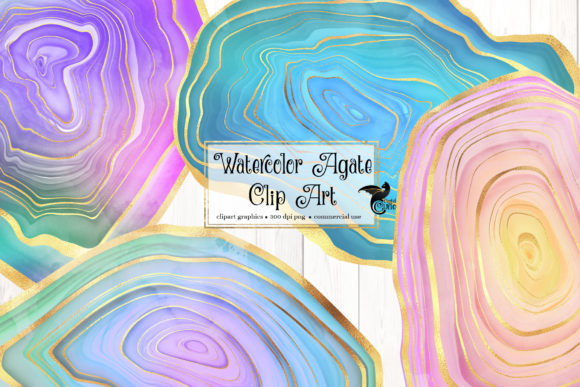
As a designer who has spent years translating digital art into tangible thread, I approach every new asset with a critical eye. When I first opened the file for Watercolor Agate Clip Art, my initial reaction was one of cautious optimism. The category is listed under Illustrations, which often signals a focus on visual aesthetics rather than structural embroidery engineering. However, the mood this piece projects is undeniable. It captures that trendy, organic bohemian vibe that has taken over boutique shops and Etsy listings in recent years. The soft gradients and fluid edges mimic the look of natural stone without the rigidity of geometric patterns. But does it hold up when you move from a screen to a hoop?
The First Impression: Mood and Visual Personality
The visual personality of Watercolor Agate Clip Art is inherently soft and dreamy. In a digital format, the blending of colors creates a seamless transition that feels almost liquid. For an embroidery project, this presents both an opportunity and a challenge. The design naturally belongs to projects where texture and softness are paramount. Imagine a nursery wall hanging or a delicate baby blanket; the gentle curves of the agate slice would feel right at home against cotton or linen.
However, the "watercolor" effect is achieved through subtle shading and fine lines. In the world of machine embroidery, fine lines can be tricky. If the stitch density is too low, the color transitions might look patchy. If it is too high, the fabric could pucker, especially on lightweight materials. My immediate thought upon reviewing the layout is that this design requires a skilled hand to digitize or a very well-optimized embroidery file to maintain its artistic integrity. It is not a bold, graphic logo; it is a piece of art meant to be felt as much as seen.
A Real-Life Scenario: The Custom Tote Bag Project
To truly test the viability of this asset, let's walk through a real-world scenario. Picture yourself running a small craft business preparing for a holiday sale. You want to create a line of premium canvas tote bags featuring nature-inspired themes. You decide to use Watercolor Agate Clip Art as the centerpiece for a tote bag design.
You load the machine embroidery design into your hoop. The first thing you notice is the scale. To capture the nuance of the watercolor wash, the design needs space. On a standard 5x7 inch hoop, the details might get lost if you try to shrink it down to fit a small corner. Instead, you position it centrally on the front of the bag. As the needle starts moving, you watch the fill stitch lay down the base colors. The magic happens in the layering. If the file is structured correctly, the overlapping stitches will create that signature gradient look.
Once finished, the result is stunning. The texture of the thread adds a dimension that a printed image simply cannot match. Customers picking up these bags at a craft fair will likely run their fingers over the stitching, appreciating the tactile quality. This transforms a simple canvas bag into a high-value handmade product. The finished product exudes a sense of care and craftsmanship, justifying a higher price point. It elevates the brand perception, signaling to buyers that this is a boutique item, not mass-produced merchandise.
Navigating Challenges: Where Caution Is Required
While the potential is high, there are specific situations where Watercolor Agate Clip Art demands careful handling. The intricate nature of the design makes it less forgiving on certain fabrics. For instance, using this on stretchy knit fabrics like those found in sweatshirt embroidery can be risky. The tension required to stitch the dense areas might cause the fabric to warp, distorting the smooth curves of the agate.
Similarly, dark fabrics present a significant hurdle. The watercolor aesthetic relies heavily on light tones and transparency. Stitching this directly onto black denim or navy wool would require extensive underlay and potentially thousands of extra stitches to build up opacity, which increases production time and cost. In such cases, an applique design technique might work better, where a piece of white felt is cut to shape first, providing a bright background for the thread to pop.
Another area of concern is small hoop sizes. If you are trying to adapt this for a cap or a small patch, the delicate details of the agate layers may merge into a single blob. The running stitch outlines that define the segments might become indistinguishable. Always check the minimum recommended size before committing to a project. If the design includes tiny lettering or extremely fine corners, these are the first elements to fail during stitching, leading to a messy appearance that undermines the professional look you are aiming for.
Strategic Use for Business and Brand Consistency
For the Etsy seller or small shop owner, consistency is key to building a recognizable brand. Watercolor Agate Clip Art fits perfectly into a cohesive collection focused on earth tones, wellness, and nature. Using this across various items—kitchen towels, pillow covers, and even personalized gifts—creates a unified aesthetic that customers associate with your shop.
However, before listing these items, consider the licensing. Ensure that the digital embroidery file allows for commercial use. Many designers sell files for personal use only, which means selling the finished product could lead to legal issues. Verify the terms clearly. Additionally, think about how the design translates in marketing materials. A printable mockup showing the design on a crisp white pillow can drive sales, but ensure the mockup accurately represents the texture and depth of the actual stitching so customers aren't disappointed upon delivery.
Practical Designer Notes for Success
If you decide to incorporate Watercolor Agate Clip Art into your workflow, follow these practical steps to ensure a flawless result:
- Test on Scrap Fabric First: Never skip the test run. Stitch the design on a scrap piece of the exact fabric you plan to use. This helps you gauge the thread colors and stitch density in real life.
- Check Stabilizer Needs: Given the likely complexity of the fill stitches, a heavy-duty tear-away or cut-away stabilizer is essential to prevent puckering, especially on woven fabrics.
- Inspect Small Details: Zoom in on the digital preview. Are there isolated points or tiny gaps? These often break during stitching. You may need to edit the file slightly to bridge these gaps.
- Compare Light and Dark Backgrounds: Test the design on both light and dark swatches. You might find that a different thread palette works better depending on the fabric color.
- Confirm Hoop Size: Measure the design dimensions against your available hoops. Do not force a large design into a small hoop; it will ruin the proportions.
- Review Licensing: Double-check if you can sell the physical items or if the license restricts you to personal use only.
In conclusion, Watercolor Agate Clip Art is a beautiful addition to any design assets library, provided it is used with intention and technical awareness. It brings a touch of organic elegance to custom apparel and home decor, but it rewards the designer who takes the time to prepare properly. When executed well, it becomes more than just a pattern; it becomes a signature element that defines the quality and soul of your handmade creations.