Review: 10 Watercolor Mushroom Set 3 Bonus
As a designer who has spent years navigating the fine line between digital art and physical thread, I approach every new machine embroidery design with a mix of excitement and skepticism. The latest arrival on my radar is the 10 Watercolor Mushroom Set 3 Bonus. At first glance, this collection falls squarely into the Illustrations category, promising that whimsical, forest-floor charm that has become so popular in the handmade market. But does it translate well from screen to stitch? Before I commit this to a client project or list it as a digital product for my shop, I need to know if it holds up under the scrutiny of real-world application.
The Visual Vibe and First Impressions
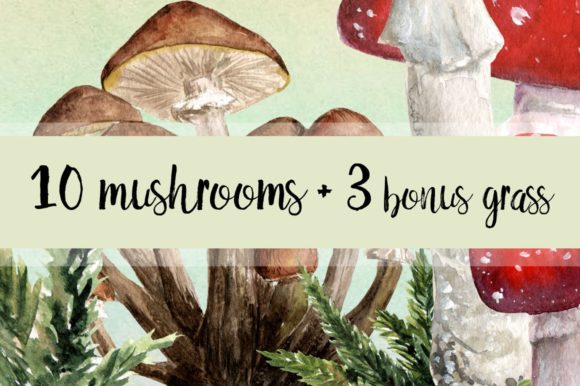
Opening the preview files for the 10 Watercolor Mushroom Set 3 Bonus, the mood is immediately established. It captures that soft, dreamy aesthetic typical of watercolor art, with edges that bleed slightly and colors that blend rather than clash. For an embroidery file, this style presents a unique challenge. Unlike bold, graphic logos, watercolor effects rely on gradients and subtle texture. In a digital format, these look flawless. In thread, they require a specific approach to stitch density and thread colors to avoid looking muddy or overly pixelated.
The shapes within the set are organic and playful, ranging from classic red-capped toadstools to more abstract, pastel varieties. This variety makes the set incredibly versatile. I can already envision how these would pop on a baby embroidery project, perhaps on a soft cotton onesie or a plush blanket. The gentle curves and lack of sharp, aggressive angles suggest a design that is forgiving to the eye, even if the stitching isn't perfectly crisp. However, the "watercolor" effect means we aren't dealing with solid blocks of color; instead, we are likely looking at complex fill stitch patterns designed to mimic paint washes.
Real-World Application: A Case Study
To truly test the potential of the 10 Watercolor Mushroom Set 3 Bonus, let's imagine a specific scenario. I am preparing a limited run of custom tote bags for a local craft fair. My target audience is eco-conscious shoppers who love nature-inspired aesthetics. I decide to use one of the larger mushroom clusters from the set as the focal point on the front of a heavy-duty canvas tote.
When I load the design into my software, I immediately check the hoop size. The layout seems optimized for a medium hoop, which is perfect for a standard tote bag opening. The real test comes when I consider the fabric texture. Canvas has a weave that can sometimes interfere with delicate details. Because the watercolor style relies on soft transitions, the texture of the canvas might actually enhance the look, giving the stitched paint strokes a tactile, artistic feel. If I were using this on a smooth satin pillow cover, the result might look too flat. Here, on the rougher canvas, the running stitch outlines and the textured fills could create a beautiful, rustic finish that customers will love.
I also consider the finished product value. A tote bag with a generic, clip-art style mushroom sells for $15. A tote bag featuring a high-quality, artistically rendered design like the 10 Watercolor Mushroom Set 3 Bonus can easily command $25 or more. The perceived value skyrockets because the design looks intentional and curated, not mass-produced. For an Etsy seller or a small business owner, this distinction is crucial. It elevates the brand from a simple craft vendor to a boutique creator.
Navigating Technical Challenges
While the visual appeal is strong, there are areas where caution is required. The watercolor effect often involves intricate layering of threads to achieve that blended look. If the stitch density is too high in certain areas, the fabric might pucker, especially on thinner materials like a linen apron or a light t-shirt. I would strongly advise any user to test this design on scrap fabric first. Use a tear-away stabilizer for woven fabrics or a cut-away stabilizer for knits to ensure the design lays flat without distorting the material.
Another consideration is the background color. These designs are likely created with light backgrounds in mind. Attempting to embroider a pastel watercolor mushroom on a black sweatshirt could be disastrous unless the design includes extensive underlay stitches or a dense backing fill. Without proper contrast, the delicate details of the 10 Watercolor Mushroom Set 3 Bonus could get lost. For dark fabrics, you might need to adjust the thread colors significantly or add a white underlay to make the mushrooms stand out.
Furthermore, curved surfaces like caps or hats present their own hurdles. The organic shapes of the mushrooms are flexible, but tight corners or very small details might struggle to stitch correctly on a rounded surface. If you plan to use this for an embroidered patch or a hat logo, inspect the smallest elements closely. Sometimes, scaling down a detailed watercolor design causes the threads to bunch up, ruining the soft aesthetic.
Strategic Advice for Designers and Makers
If you are considering adding the 10 Watercolor Mushroom Set 3 Bonus to your portfolio of design assets, here are my practical notes for success:
- Test Before You Sell: Always run a test on the actual fabric you intend to use. Check for puckering and ensure the fill stitch mimics the intended watercolor look without becoming too dense.
- Color Management: Don't just stick to the default thread palette. Experiment with variegated threads or hand-dyed floss to enhance the watercolor effect. This adds a unique touch to your handmade product.
- Licensing Check: Before selling finished items or offering this as a digital embroidery file for others to download, confirm the licensing terms. Ensure you have the right to use it for commercial embroidery projects.
- Mockups Matter: Create realistic printable mockup images showing the design on various products. Customers need to see how the watercolor texture translates to thread before they buy.
- Stabilizer Selection: Do not skimp on stabilizers. The intricate nature of this Illustrations set demands a stable foundation to prevent shifting during the stitching process.
Final Thoughts on Versatility
The 10 Watercolor Mushroom Set 3 Bonus is a powerful tool for anyone looking to inject personality into their work. Whether you are creating a personalized gift for a woodland-themed baby shower, designing a sweatshirt embroidery for a hiking club, or stocking your shop with seasonal holiday embroidery items, this set offers a distinct advantage over generic patterns.
It bridges the gap between digital illustration and tactile craft beautifully. When executed correctly, it transforms a simple garment into a piece of wearable art. However, its success hinges on the maker's attention to detail regarding fabric choice, stabilizer use, and thread selection. It is not a "load and go" design for the impatient; it rewards the thoughtful crafter who takes the time to understand how thread interacts with the concept of watercolor.
For the creative entrepreneur, this set represents an opportunity to differentiate your small shop product line. In a market saturated with bold, geometric prints, the soft, organic nature of these mushrooms stands out. It invites the customer to pause and appreciate the craftsmanship. As long as you respect the technical requirements of the machine embroidery design and test thoroughly, the 10 Watercolor Mushroom Set 3 Bonus is a worthy addition to your design library.